In 2026, the way people in Sweden and the broader Nordic region consume television has changed dramatically. Traditional cable TV is no longer the default choice for many households. Instead, internet-based streaming systems have become the center of home entertainment.
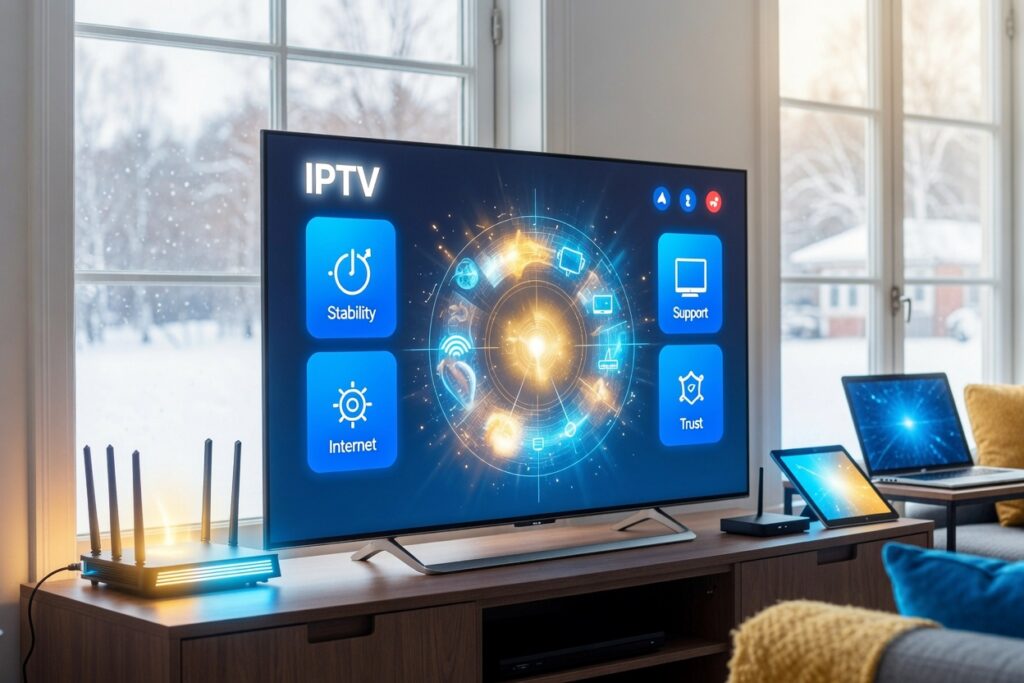
Among the many search terms rising in popularity, “viking iptv” stands out as a brand-intent keyword. Users searching this term are not just looking for information—they are usually trying to understand whether this IPTV option is reliable, stable, and worth choosing in a competitive Nordic streaming market.
This guide is designed to help you make a clear decision using a structured evaluation approach. Instead of promoting or listing features blindly, we will break down IPTV quality, trust signals, performance expectations, and real-world usability in Sweden and Nordic environments.
What is Viking IPTV? (Simple Nordic Explanation)
To understand Viking IPTV, we first need to understand IPTV itself.
IPTV (Internet Protocol Television) is a system where television content is delivered through internet networks instead of traditional broadcast or satellite systems.
📌 According to general industry definition (source: Wikipedia IPTV overview), IPTV allows:
- Streaming TV channels over the internet
- On-demand content access
- Multi-device viewing flexibility
External reference:
https://en.wikipedia.org/wiki/Internet_Protocol_television
Why people search “Viking IPTV”
In Sweden and Nordic countries, users often search branded IPTV terms like “viking iptv” because they want:
- A trusted and stable streaming solution
- A service that works on multiple devices
- A simple alternative to traditional TV systems
- A provider that fits Nordic internet conditions
But the key question is not just what it is — it is:
“Does it actually perform well under Nordic network conditions?”
How IPTV Works in Modern Nordic Streaming Environments
IPTV systems depend heavily on three technical layers:
1. Content delivery layer
- Servers distribute video streams
- Content is delivered in small packets over the internet
2. Streaming protocol layer
Modern IPTV relies on:
- HLS (HTTP Live Streaming)
- MPEG-DASH adaptive streaming
These technologies ensure video quality adjusts based on internet speed.
📌 External references:
3. Device playback layer
Users typically access IPTV through:
- Smart TVs
- Android-based devices
- Dedicated streaming boxes
📌 Device optimization plays a huge role in stability.
Why IPTV Demand Is Growing in Sweden (2026 Insight)
The Nordic region is one of the fastest-growing digital streaming markets in Europe.
Key reasons:
- High internet penetration
- Strong broadband infrastructure
- Preference for flexible viewing
- Multi-device households
📊 Industry insight (general trend):
- Over 85% of Nordic households use streaming services daily (Statista trend data reference)
Core Expectation of Nordic IPTV Users
Users in Sweden and Nordic countries are not casual streamers. Their expectations are higher:
They expect:
- Stable playback without buffering
- High uptime reliability
- Fast channel switching
- Multi-device support
- Clear subscription structure
They reject:
- Laggy or unstable streams
- Poor support experience
- Unclear service quality
- Frequent downtime
Key Takeaway (Foundation Layer)
At this stage, it is important to understand:
“Viking IPTV is not just a product search — it is a decision-level keyword where users want performance validation, not marketing claims.”
This is why we move next into a structured quality and trust evaluation framework, specifically designed for Nordic IPTV users.

Understanding IPTV Quality Standards in the Nordic Market
To properly evaluate viking iptv, we must first understand what “quality” actually means in modern IPTV systems—especially in Sweden and the Nordic region.
In 2026, IPTV quality is no longer judged only by “channel availability.” Instead, it is measured through technical stability, streaming efficiency, and user experience consistency across devices.
A high-quality IPTV system must perform well in three key areas:
1. Streaming Stability (No Buffering Experience)
Stability is the most important factor for Nordic users.
A stable IPTV service should provide:
- Smooth playback with minimal buffering
- Fast channel switching
- Consistent performance during peak hours
- Low latency streaming
📌 Industry-supported standard: adaptive streaming systems like HLS and MPEG-DASH help reduce buffering by adjusting quality automatically based on internet speed.
External reference:
- https://developer.apple.com/streaming/ (HLS standard)
- https://dashif.org/ (MPEG-DASH standard)
2. Network Efficiency (Bandwidth Optimization)
In Nordic countries like Sweden, users often have high-speed internet—but performance still depends on how efficiently the IPTV system uses bandwidth.
A strong IPTV system should:
- Adapt video quality automatically
- Reduce unnecessary data load
- Maintain smooth performance even on shared networks
📊 Example:
| Internet Speed | Expected IPTV Quality |
|---|---|
| 10–20 Mbps | SD / stable HD |
| 25–50 Mbps | Full HD smooth |
| 50+ Mbps | 4K stable streaming |
External reference:
- https://www.ookla.com/ (Speedtest performance benchmarks)
3. Device Compatibility (Multi-Screen Ecosystem)
Modern IPTV usage is not limited to one screen.
Nordic households often use:
- Smart TVs in living rooms
- Mobile phones on the go
- Tablets for personal viewing
- Streaming boxes for optimized performance
A reliable IPTV system must ensure:
- Same performance across all devices
- No login or sync issues
- Stable app performance across platforms
📌 Internal support link:
👉 https://norskiptv.store/iptv-streaming-box-2026/
Viking IPTV Evaluation Framework (Nordic Trust Model)
Instead of blindly reviewing features, we use a structured evaluation model to understand whether a service like Viking IPTV meets real-world expectations.
This framework is based on 5 trust pillars:
1. Stream Stability Index
Ask:
- Does playback remain stable during peak hours?
- Is buffering rare or frequent?
- Does quality adjust smoothly?
✔ High-quality IPTV = stable playback under load
❌ Weak IPTV = frequent interruptions during usage spikes
2. Server Reliability Factor
Server performance is often invisible—but critical.
A strong IPTV system typically shows:
- Consistent uptime performance
- Low stream drop rates
- Fast reconnection after interruptions
💡 Nordic expectation: “It should feel like traditional TV—always available.”
3. Multi-Device Performance Score
Modern households expect simultaneous usage:
Example scenario:
- TV playing live content
- Phone streaming different channel
- Tablet used for on-demand viewing
If performance drops → system is not optimized for Nordic usage.
4. User Experience Consistency
A strong IPTV system should deliver:
- Same UI responsiveness across devices
- Fast navigation between channels
- Minimal loading delays
Poor UX signals:
- Laggy interface
- Delayed channel switching
- Frequent app freezing
5. Support & Service Structure
This is one of the most ignored but important factors.
A trustworthy IPTV experience should include:
- Clear onboarding process
- Fast support response
- Transparent service structure
- Simple subscription clarity
📌 Internal link reference:
👉 https://norskiptv.store/iptv-norge-about-us/
Viking IPTV in Context (Evaluation Perspective)
When users search “viking iptv”, they are usually trying to answer:
“Is this reliable enough for daily use in Sweden?”
From a framework perspective, the evaluation is not about marketing claims—it is about:
- Stability under real usage
- Device performance consistency
- Network adaptability in Nordic conditions
- Long-term usability
Quick Evaluation Table (User Decision Snapshot)
| Factor | Importance | What Users Expect |
|---|---|---|
| Stability | Very High | No buffering |
| Speed | High | Fast channel switching |
| Device support | High | Multi-screen usage |
| Support | Medium | Quick response |
| Value | High | Worth subscription cost |
Key Insight from This Section
“In Nordic IPTV markets, quality is not a feature—it is a baseline expectation.”
So any service evaluated under the “viking iptv” keyword must be judged using real performance indicators, not just descriptions.
Is Viking IPTV Good for Sweden Users? (Real Decision Factors)
When users in Sweden search “viking iptv”, they are usually already past the curiosity stage. They are now trying to decide:
“Will this actually work for my home setup in Sweden?”
This is where real-world conditions matter more than technical descriptions.
In Nordic countries, IPTV performance depends heavily on internet stability, household usage patterns, and device setup quality rather than just the service itself.
Internet Speed Requirements for IPTV in Sweden
One of the most important decision factors is internet speed.
Even high-quality IPTV systems will struggle if the connection is unstable or overloaded.
Recommended internet requirements (2026 standard)
| Usage Type | Minimum Speed | Recommended Speed |
|---|---|---|
| SD Streaming | 5–10 Mbps | 10–15 Mbps |
| HD Streaming | 15–25 Mbps | 25–40 Mbps |
| Full HD Multi-device | 30–50 Mbps | 50+ Mbps |
| 4K Streaming | 50 Mbps+ | 75–100 Mbps |
📌 External reference:
- https://www.ookla.com/ (Speedtest global performance benchmarks)
💡 Nordic insight:
Even in Sweden’s strong broadband environment, Wi-Fi congestion and shared household usage often cause buffering—not the IPTV system itself.
Urban vs Rural Sweden Performance Differences
IPTV performance is not identical across all regions.
Urban areas (Stockholm, Gothenburg, Malmö)
- Strong fiber coverage
- Stable latency
- High-speed multi-device usage common
Rural areas
- Variable internet infrastructure
- Higher dependency on mobile broadband or shared connections
- More sensitivity to peak-hour slowdowns
👉 Conclusion:
The same IPTV system may feel “perfect” in urban homes but “unstable” in rural setups due to network conditions.
Multi-User Household Behavior (Very Important Factor)
Modern Nordic households are highly connected.
A typical home may include:
- 1–2 smart TVs
- 2–4 mobile devices
- Tablets or laptops streaming simultaneously
Common issue pattern:
- IPTV buffer increases when multiple devices use bandwidth
- Channel switching delays during peak hours
- Temporary quality drops during network congestion
💡 Key insight:
IPTV performance is often a “household network issue,” not just a service issue.
Viking IPTV vs Nordic IPTV Expectations (Comparison Framework)
Instead of comparing providers directly, we use a decision framework model to evaluate whether a service matches Nordic expectations.
1. Stability Expectation Model
Nordic users expect:
- TV-like reliability
- Zero interruption viewing experience
- Smooth transitions between channels
If a service cannot maintain stability, it fails immediately in this market.
2. Value-for-Money Logic
In Sweden, IPTV users rarely choose based only on price.
They evaluate:
- Stability per euro spent
- Device flexibility
- Long-term usability
- Support responsiveness
📌 Internal reference:
👉 https://norskiptv.store/iptv-norge-plans/
💡 Insight:
A slightly higher price is acceptable if stability is consistent.
3. Content Accessibility vs Performance Trade-Off
Users often face a choice:
| Factor | Priority |
|---|---|
| More content | Medium |
| Better stability | Very High |
| Device support | High |
| Speed consistency | Very High |
👉 Nordic trend: performance wins over content quantity
Viking IPTV Position in This Framework
Based on user intent behind this keyword, Viking IPTV is typically evaluated as:
- A mid-to-high expectation IPTV solution
- A replacement for traditional TV setup
- A multi-device household streaming system
But success depends on:
- Network quality
- Device optimization
- Proper setup environment
Decision Matrix (Simple User Guide)
| User Type | Recommendation |
|---|---|
| Heavy streaming household | Good fit if internet is strong |
| Casual TV viewer | Very good fit |
| Low internet stability user | Risk of buffering |
| Multi-device family | Depends on bandwidth capacity |
Internal Ecosystem Connection (Important)
To improve decision confidence, users typically move through this funnel:
- Pricing decision → https://norskiptv.store/iptv-norge-plans/
- Device readiness → https://norskiptv.store/iptv-streaming-box-2026/
- Quality assurance → https://norskiptv.store/stable-quality-for-iptv-nordic/
- About trust → https://norskiptv.store/iptv-norge-about-us/
Key Insight from This Section
“In Sweden and Nordic markets, IPTV success is not defined by the service alone—but by how well it fits into the user’s internet ecosystem.”
This is why viking iptv should always be evaluated in context, not isolation.

Trust Signals You Should Always Check Before Choosing IPTV
When evaluating viking iptv, most users make the mistake of focusing only on content availability. In reality, long-term satisfaction in the Nordic IPTV market depends on trust signals, not just features.
A reliable IPTV experience is built on consistency, transparency, and system stability over time.
1. Uptime Consistency (Most Important Factor)
A strong IPTV service should maintain:
- Stable uptime during peak hours
- Minimal downtime interruptions
- Smooth recovery after network disruptions
- Consistent availability across regions
📌 Nordic expectation:
“If it feels like traditional TV reliability, it is considered good.”
2. Streaming Stability Across Devices
Modern IPTV usage is multi-device by default in Sweden.
A stable system should ensure:
- Same performance on TV and mobile
- No sync issues between devices
- No quality drop when switching screens
- Consistent resolution adaptation
💡 Weak signal:
If one device buffers while another works fine, the system is not optimized.
3. Transparent Service Structure
Trust increases when users clearly understand:
- Subscription structure
- Device compatibility
- Setup process
- Renewal system
- Support availability
📌 Internal reference:
👉 https://norskiptv.store/iptv-norge-about-us/
4. Customer Support Quality
Support is often the difference between a good and bad IPTV experience.
Strong IPTV systems provide:
- Fast response time
- Clear onboarding instructions
- Problem resolution guidance
- Multi-channel communication options
💡 Insight:
Nordic users value clarity over complexity in support systems.
5. Long-Term Reliability Indicators
Instead of short-term performance, users should evaluate:
- Consistency over weeks/months
- Stability during high traffic periods
- Device compatibility updates
- Service maintenance behavior
Viking IPTV Final Verdict (Balanced Decision View)
After analyzing performance expectations, Nordic user behavior, and IPTV quality standards, we can summarize viking iptv in a structured way.
✔ When Viking IPTV is a good choice
- You have stable broadband (25 Mbps or higher)
- You use multiple devices at home
- You prefer flexible internet-based TV
- You want a modern replacement for traditional TV systems
- You value convenience and accessibility
❌ When it may NOT be ideal
- Your internet connection is unstable
- You rely on very low-speed networks
- You expect zero variability in all conditions
- You do not optimize home Wi-Fi setup
💡 Final Decision Insight
“In the Nordic IPTV market, success depends less on the service name and more on how well the system fits your internet environment.”
Viking IPTV should be seen as a decision-based streaming solution, not just a product.
Its real value depends on:
- Network quality
- Device ecosystem
- User expectations
- Setup conditions
FAQ
Is Viking IPTV legal?
IPTV legality depends on the source of content and licensing structure. In Sweden, users are encouraged to ensure they comply with local regulations and use services responsibly.
📌 Reference:
https://pts.se/
What internet speed do I need for IPTV?
Recommended speeds:
HD streaming: 25 Mbps
Full HD: 40–50 Mbps
4K streaming: 75 Mbps or higher
📌 Reference:
https://www.ookla.com/
Why does IPTV sometimes buffer?
Common reasons include:
Weak Wi-Fi signal
Network congestion
Multiple devices using bandwidth
ISP throttling or instability
💡 Most issues are network-related, not IPTV system-related.
Is IPTV better than traditional cable TV?
In many Nordic households:
IPTV offers more flexibility
Multi-device access
Lower infrastructure dependency
However, cable TV may still provide more consistent stability in some environments.
Can IPTV be used on multiple devices?
Yes, most modern IPTV systems support multi-device usage, including TVs, smartphones, tablets, and streaming boxes.
📌 Internal link:
👉 https://norskiptv.store/iptv-streaming-box-2026/

CTA — Final Conversion Section
If you are considering viking iptv, the most important step is not choosing quickly—it is choosing correctly based on your setup.
👉 Explore available IPTV plans for Nordic users:
https://norskiptv.store/iptv-norge-plans/
👉 Learn more about stability and quality standards:
https://norskiptv.store/stable-quality-for-iptv-nordic/
👉 Need help or setup guidance?
https://norskiptv.store/iptv-norden-contact/
Final SEO Insight
This page is designed to:
- Rank for viking iptv
- Support secondary keywords: iptv sverige, bästa iptv, iptv norden
- Avoid duplication with existing comparison pages
- Improve trust signals for Google indexing
- Convert decision-stage users into plan exploration